A conversation, not a deck.
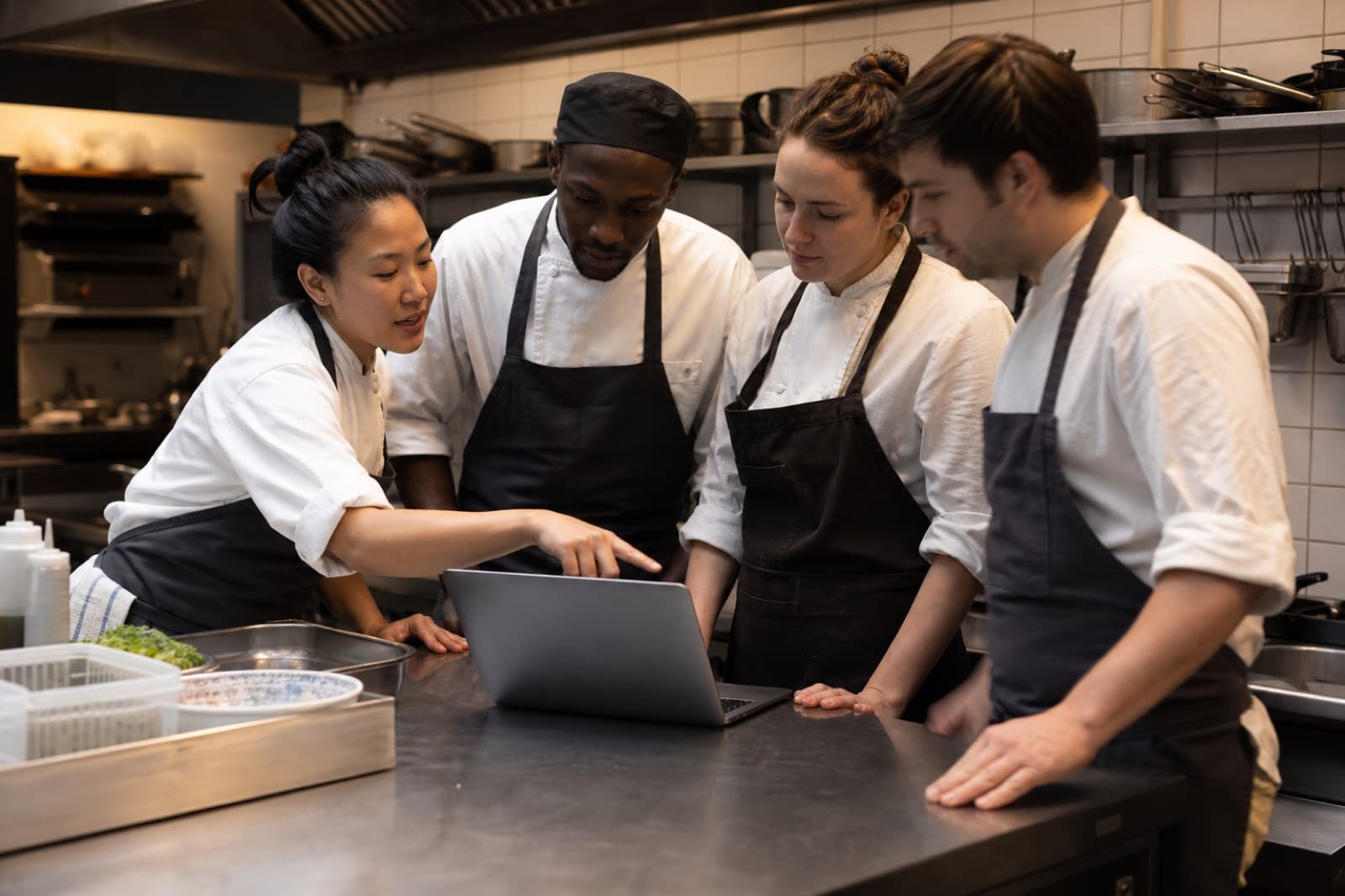
A four-hour workshop that teaches your team to use the AI your restaurant already pays for. It runs live and virtual, kept small on purpose, at $195 a seat, and we work on your own tickets and invoices rather than a case study about someone else’s restaurant.
It is run by Mason Moskowitz, who has spent 8 years in restaurant operations across 50+ stores. Nobody needs to be technical to keep up.
The short answers
If you came with one question, it probably has its own page.
- What it costs, including private team dates
- What happens in the four hours, hour by hour
- How the remote version works, and when flying me out is worth it
- Versus a self-paced course
- Versus hiring a consultant
Both comparisons say plainly when the other option is the one to take.
Who it is for
Restaurant teams where somebody is already doing the work by hand and knows it. You do not need a technology plan, a budget line, or anyone who describes themselves as technical. If any of this sounds like your building, the session will have something in it for you:
- Food cost moves and it takes a day of digging to find which item did it.
- Labor runs over and nobody sees it until Tuesday.
- Next week's schedule gets built in a spreadsheet on a Sunday night.
- Someone rebuilds the same report by hand before every numbers meeting.
What we work on
Every workshop runs on your own data. Which of these we spend the time on depends on what is hurting most in your operation, and we decide that in the first half hour rather than in advance.
Prep lists and par levels
Built from your own ticket history instead of a chef's memory.
Forecasting covers
From the sales history already sitting in your POS.
Guest replies and reviews
Fast responses that still sound like your restaurant.
Vendor invoices
Readable without anyone keying them in by hand.
Scheduling
Especially the short weeks that break every template.
The weekly numbers
Assembled instead of rebuilt by hand every Monday.
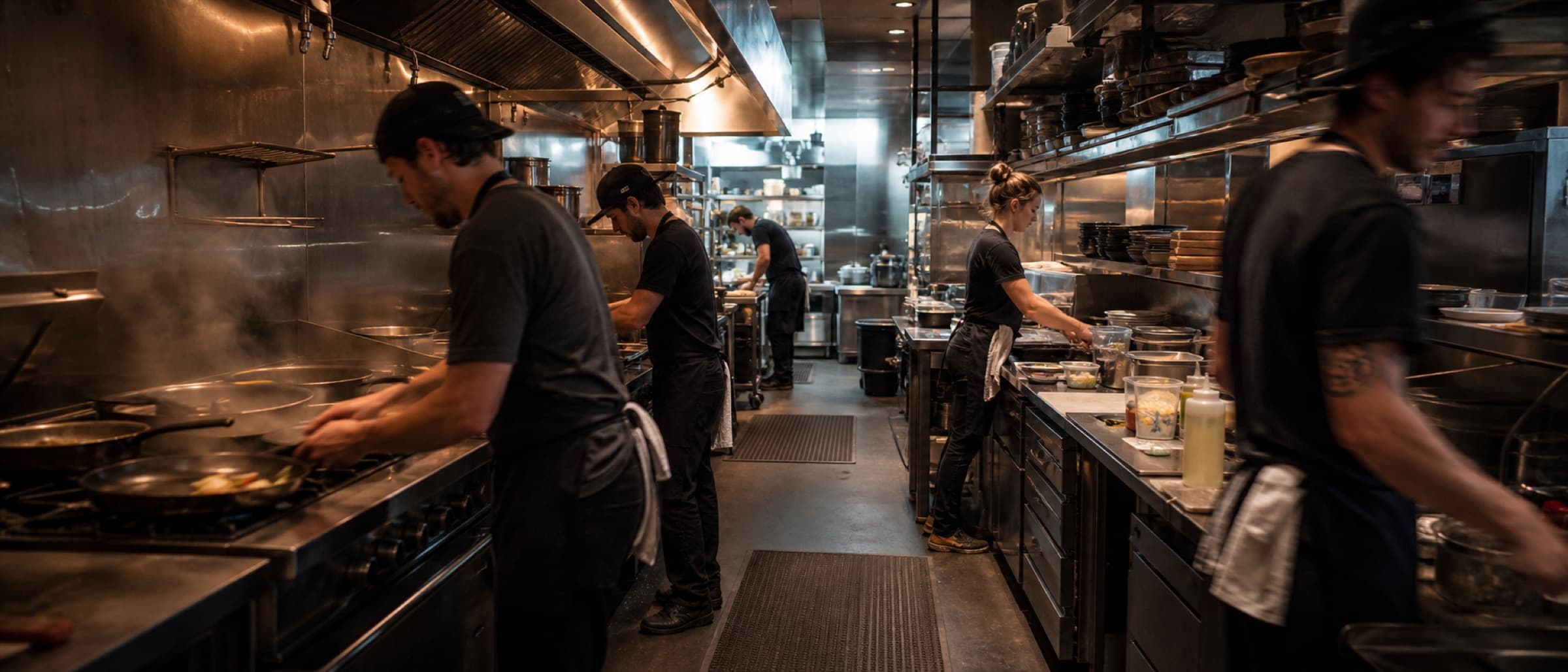
Your building. Your numbers. Your team doing the work.
What leaves the room
Whatever your team built during the session, working, in the tools you already pay for. Not a slide deck and not a certificate, because nobody in a restaurant has ever been asked for one.
What does not leave the room is a plan that depends on me. If the only way the change survives is that I keep showing up, the session did not work.
Dates and prices
Public dates and remaining seats are on the workshop schedule. Full pricing for seats, replays and private team dates is on the pricing page, published in full because making you fill in a form to learn a number wastes your afternoon and mine.
Written on this
- We are too small for this. Are we?
Size is not how many locations you have. It is whether somebody does the same task by hand every week. A simple test for whether it is worth your time, the cases where you genuinely are too small, and the arithmetic to check.
- Is AI coming for restaurant jobs? An operator's answer
It is not going to run a line, calm a table or cover a call-out. What it does take is paperwork, and some of that paperwork is somebody's whole job. An honest answer, and what to tell your team before they guess.
- Setting par levels without guessing
Most pars were set the week the store opened and have not been touched since, while the menu and the volume both moved. How to reset them from what you actually use, and when an item has earned a second look.
- Forecasting covers from the history already in your POS
You do not need a forecasting product to know roughly how busy next Thursday will be. You need three past Thursdays, side by side, and a written list of the things your sales history cannot know.
- Why we start on the floor, not in a slide deck
Every AI training I have sat through opened with what a large language model is. Nobody in a restaurant needs that. What actually gets a team using something is starting with a job they already hate.
- Guest replies that still sound like you
The fastest way to make a restaurant sound like a chain is to automate its review replies badly. What to hand over, what never to, and the test that catches a reply before it goes out sounding like nobody.
More on workshops
- What an AI workshop costs
Every price, published in full. No quote form.
- What happens in the four hours
Hour by hour, and what your team leaves with.
- Remote and national
Why virtual is the default and when to fly me out.
- Workshop or online course?
Including when the cheaper course is the better buy.
- Workshop or AI consultant?
Including when you should hire the consultant.
- Upcoming dates
Public sessions and how many seats are left.
- Private training for a group
When it is your own team rather than a public seat.
Questions people actually ask
- How long is it and how many people?
- Four hours, live and virtual, and deliberately small. The size is the point: past a certain number it stops being a conversation and turns into a webinar, and a webinar is not worth your afternoon.
- Is this a lecture?
- No. We work on your own numbers during the session, so people leave with the thing they built rather than notes about a thing they might build later.
- Does my team need to be technical?
- No, and most are not. Nobody installs anything or writes any code. If your team can use the scheduling tool you already pay for, they can keep up with this.
- Do we have to buy new software?
- Almost never. Most restaurants already pay for more AI than their team uses. Finding what you already own is usually the first hour of the session.
- What does it cost?
- A seat is $195. The replay of a past session is $75. A private date for your own team is priced after a short call, because it depends on headcount and travel.
- Do you travel?
- Yes. Workshops run virtually by default, which is what keeps a seat at $195 rather than the price of a plane ticket. If you want your whole team in one room, say so and we will work out what that costs.
Still deciding?
Take the free check first. Eight questions, no email, and you get the two things I’d fix in your building before I ask you for anything.